
Commodities traders were quick to react to the news that the US and Iran had agreed a framework peace deal last week, with Brent crude futures tumbling to less than $80/barrel – their lowest price since the conflict started in February.
But while the markets moved quickly at the prospect of the Strait of Hormuz reopening, I suspect the reaction in many boardrooms and among CPOs was more muted. If conversations with Procurement Leaders members over the past few months are any indication, leaders understand that this agreement does not mark the end of the crisis – more the catalyst for future change.
During our reactive calls to support the community, Procurement Leaders members have been quick to point out that the effects of recent events will linger for months – or even years – to come, as the knock-on effects of the conflict impact different parts of the value chain. It was a phenomenon we saw five years ago as the Covid-19 pandemic came to an end and again following the outbreak of war in Ukraine. Now it seems almost certain that another wave will hit the function over the coming months.
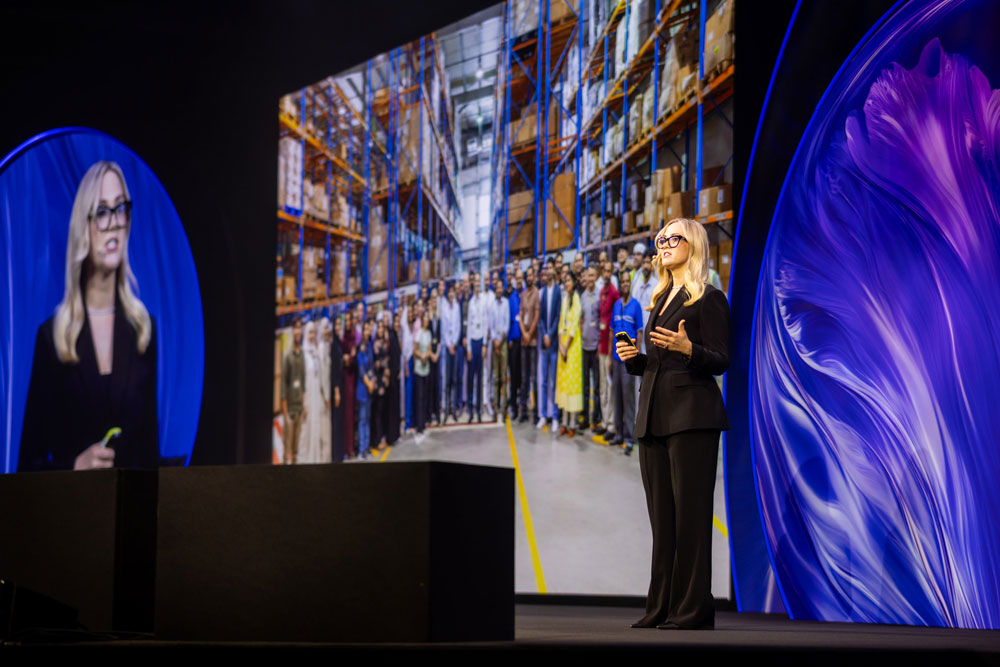
We’ve discussed the challenge of structural uncertainty – that is, the idea disruption is now constant and volatility the norm – both in a previous Crunch and at last month’s World Procurement Congress with three CPOs: Etihad’s Cassie Mackie (pictured above), BAT’s Carel Aucamp and Nestlé’s Jacob Nielsen.
Speaking to delegates on stage in London, Jacob warned of the risk of rising energy, jet fuel and packaging costs, adding that increased fertiliser costs could cause the price of goods such as coffee to increase to heights last seen around 18 months ago. As he put it, leaders must continue to “ride the wave” and double down on demonstrating the value of procurement to the business. “There’s nothing like a crisis to get things done,” he added.
But it was Etihad’s Mackie who summed it up best during her keynote. She advised attendees to “build for the next crisis, not the last one”.
What form that next crisis will take or when it will occur is, of course, unclear, but in this age of structural uncertainty, the only way for CPOs to prepare adequately is to ensure they build resilience into the fabric of their function.
To receive weekly insights from the Procurement Leaders community, sign up to the CPO Crunch newsletter using the link at the top of this page.