

Despite everything, the wheels of corporate markets continue to turn. In fact, evidence suggests they are turning faster than ever, with the Financial Times reporting a record number of “mega deals” were agreed in the first quarter of 2026.
A total of 22 deals valued at over $10bn were agreed in the first quarter of this year, the newspaper reported, contributing to a total of agreed mergers and acquisitions of $1.2tn, globally. The 22 deals broke the previous record of 21 mega deals agreed in Q4 2015.
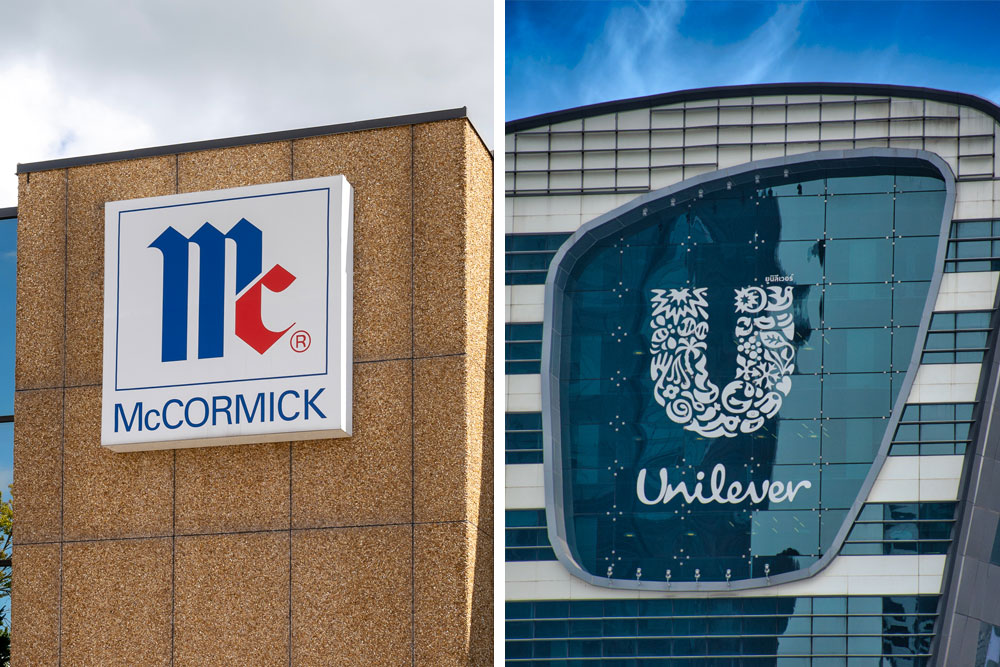
One of those deals, confirmed just last week, saw Unilever agree with McCormick to merge its food division with the spice and condiments manufacturer in a move that will create a $65bn global giant.
In all these deals, procurement will be a significant contributor to the financial viability of the transaction. In the case of Unilever and McCormick, for example, together with SG&A, procurement will account for 80% of the $600m synergies expected to be realised within three years. That’s the best part of half-a-billion dollars of value.
So, why am I telling you all of this? First, because as CPO you should probably prepare for leading through such a transaction, if you aren’t already. With M&A activity coming thick and fast, despite the backdrop of geopolitical and economic uncertainty, the chances are you’ll be called on sooner or later.
And, second, because when you are it’s unlikely to be the technical procurement complexities that will cause the biggest headaches.
A couple of weeks ago, we hosted a community session with two Procurement Leaders Advisory Board members to explore the intricacies of managing through mergers, acquisitions and divestitures. It was a fascinating discussion that revealed several insights useful for those who might find themselves in a similar position.
Challenges centred more on the softer side: such as the need to overcommunicate to tackle uncertainty, particularly when speculation can hit the press before formal announcements are made; or managing employees’ concerns about the impact on their futures.
Leading during such times will demand CPOs to deal largely with unknowns, which can be particularly draining when clarity is the thing everyone craves. And, to counter this, one of the key takeaways was the need to maintain a sense of purpose – to be committed to strategic deliverables to keep motivation high.
After all, when teams have a clear mission, they are less likely to be distracted by external instability – however large or small.
Image credits:
- McCormick: JHVEPhoto / Shutterstock.com
- Unilever: BalazsSebok / Shutterstock.com
To receive weekly insights from the Procurement Leaders community, sign up to the CPO Crunch newsletter using the link at the top of this page.